Keep fire safety on the menu.
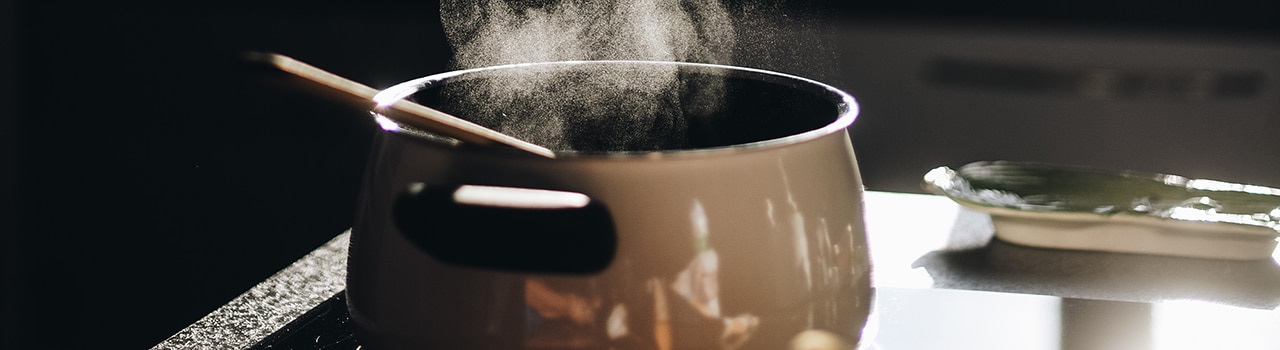
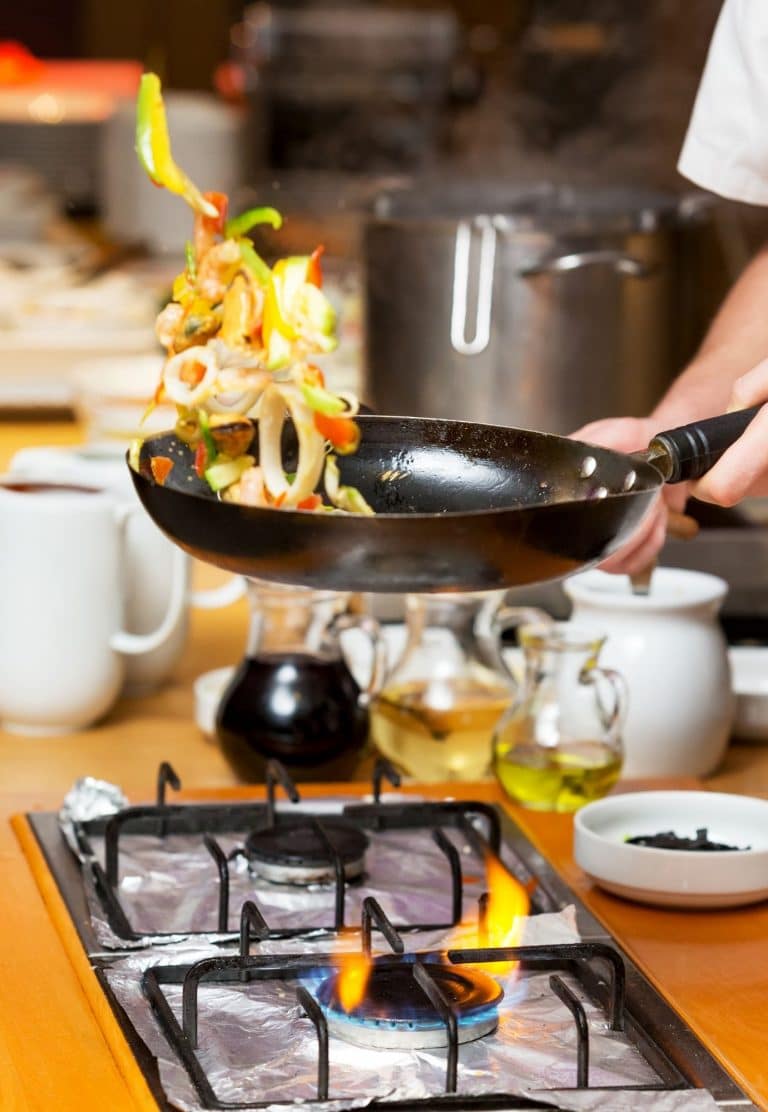
Kitchens can quickly become busy places — particularly when preparing large meals or entertaining family and friends.
Cooking fires are preventable. Staying nearby, removing distractions and keeping the cooking area clear can make a significant difference.
A few simple habits can help protect you, your family and your home.
Cooking Safety Checklist
Four simple things to remember whenever you’re preparing food.
Set timers and check your food frequently while it is cooking.
Keep children and pets away from hot foods, liquids, knives and stovetops.
When using a fryer, make sure the oil will not overflow when food is added.
Make sure the smoke alarms in your home are installed correctly and working.
Cooking Safety Videos
Watch these short Richmond Fire-Rescue videos for practical reminders about preventing fires in the kitchen.
Unattended Cooking
Kitchen Safety
Cooking Under the Influence
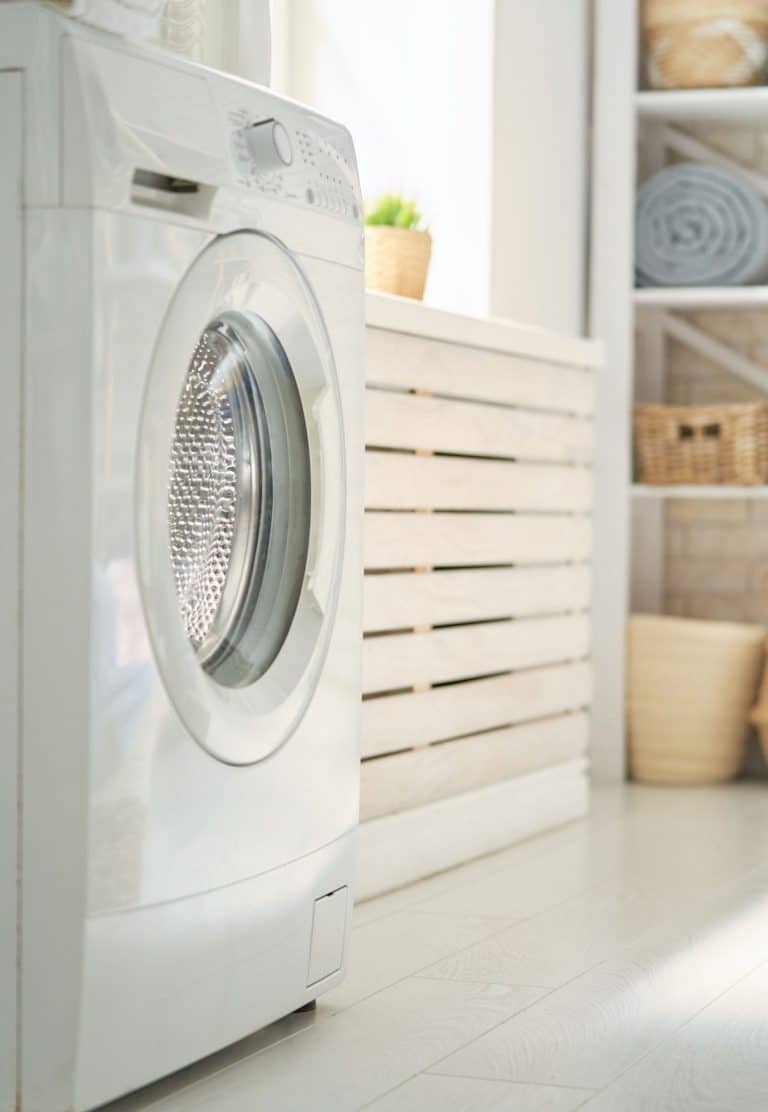
A clean dryer makes for a safer home.
Lint can build up in your dryer and its exhaust system over time. Keeping the dryer, lint filter and vent system clean helps reduce the risk of fire.
Make dryer maintenance part of your normal laundry routine. A few seconds before and after each load can make a difference.
Dryer Safety Checklist
Five simple habits can help keep your dryer operating safely.
Use the lint filter
Never operate your dryer without its lint filter properly installed.
Clean it every load
Remove lint from the filter before or after every load of laundry.
Don’t leave it unattended
Turn your dryer off before going to sleep or leaving your home.
Check the outdoor vent
Make sure the outdoor vent flap can open freely and is not blocked by snow, leaves or other debris.
Watch for longer drying times
If clothes begin taking longer than usual to dry, clean the vent pipe or have the dryer exhaust system professionally cleaned.
Dryer Safety
Watch this short Richmond Fire-Rescue video for practical tips to help reduce the risk of a dryer fire in your home.
Convenient doesn’t mean risk-free.
Microwaves are one of the most frequently used appliances in our kitchens. Used properly, they provide a quick and convenient way to heat food.
Hot food, liquids and steam can still cause serious burns, so a few simple precautions are important — especially when children are using a microwave.
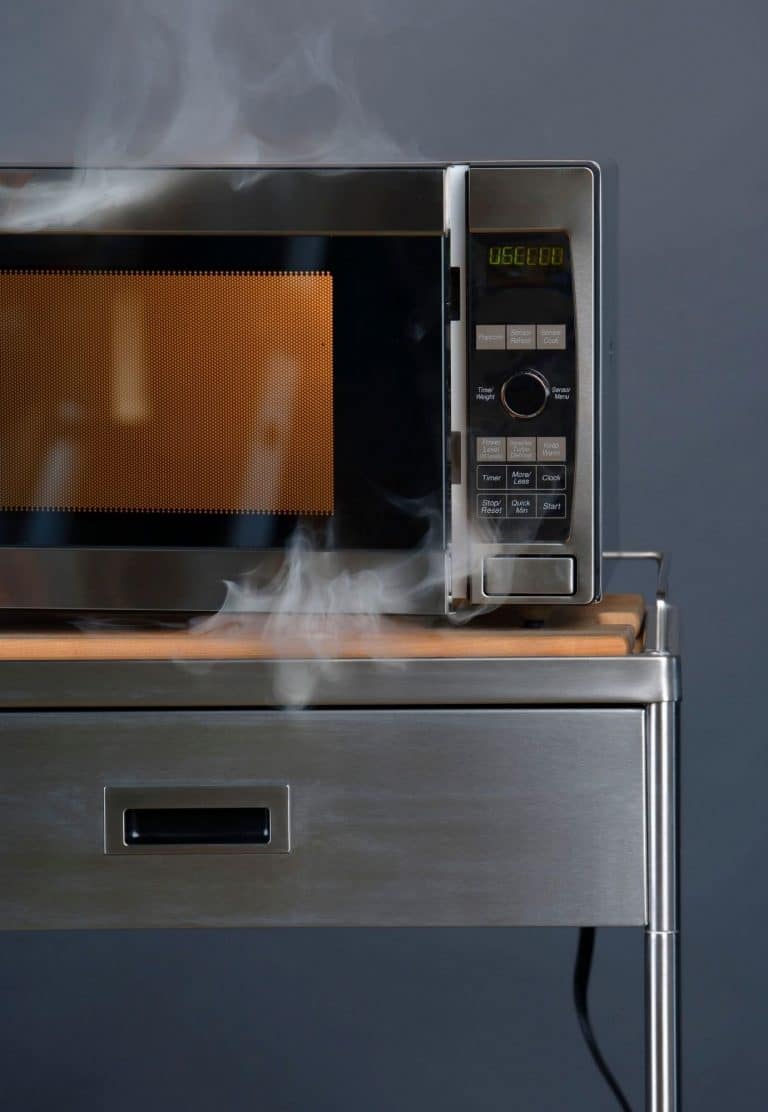
Microwave Safety: Do’s & Don’ts
Safe microwave use starts with the right containers, proper placement and a little extra care around hot food.
Do
- Supervise children when they are using a microwave.
- Use only microwave-safe containers and dishes when heating food.
- Open heated food and containers slowly and away from your face.
- Make sure your microwave is positioned at a safe height and within easy reach of its users.
- Purchase a microwave listed by a qualified independent testing laboratory and complete the product registration.
- Stir heated food and test its temperature before eating or serving it to children.
Don’t
- Never put aluminum foil, metal containers or metal objects inside a microwave.
- Don’t plug a microwave into an extension cord. Plug it directly into a wall outlet.
- Don’t heat baby bottles in a microwave. Microwaves can heat liquids unevenly and create dangerously hot areas.
- Don’t reach over hot burners or cookware when accessing an over-the-range microwave.
- Don’t continue using a microwave that is damaged or operating improperly.
Never heat a baby bottle in a microwave.
Microwaves can heat liquids unevenly and create hot spots that may cause burns. Warm bottles using warm — not hot or boiling — water instead.
Keep the microwave door closed.
Opening the door can allow additional oxygen to reach the fire. Follow these steps if a fire starts inside your microwave.
Do not open the microwave door while there is fire inside.
Turn the microwave off and, if it is safe to do so, unplug it from the wall outlet.
If the fire does not go out, leave the home and call 9-1-1 from a safe location.
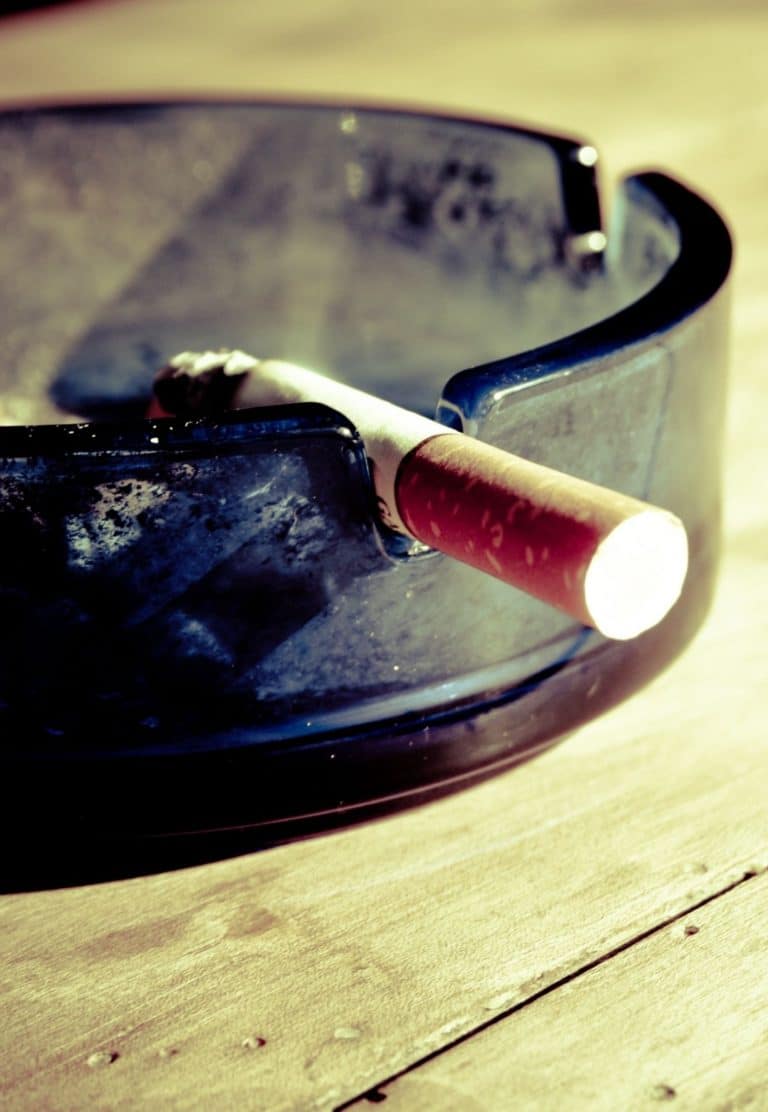
Make sure it’s out. Every time.
Smoking materials can start a fire when they are not fully extinguished or are discarded in unsafe locations.
If you smoke, take a few extra moments to make sure cigarettes and ashes are completely out before you walk away or dispose of them.
Three Things to Remember
Safe smoking practices begin with where you smoke, how you extinguish smoking materials and where you dispose of them.
Smoke Outside
If you smoke, do it outside and away from materials that can burn.
Extinguish Completely
Use a deep, sturdy ashtray and make sure cigarettes and ashes are completely extinguished.
Dispose Safely
Never discard smoking materials into grass, plants or other combustible materials.
Do
- Smoke outside rather than inside your home.
- Use a deep, sturdy ashtray that cannot easily tip over.
- Keep ashtrays away from anything that can burn.
- Keep cigarettes, matches and lighters out of the reach of children.
- Make sure cigarette butts and ashes are completely extinguished before disposing of them.
Don’t
- Don’t throw cigarette butts into grass, plants, planters or landscaping.
- Don’t leave burning cigarettes unattended.
- Don’t discard smoking materials until you are certain they are completely out.
- Never smoke anywhere medical oxygen is being used.
- Don’t smoke indoors.
Never smoke where medical oxygen is being used.
Keep cigarettes, flames and other ignition sources away from areas where medical oxygen is in use.
Make sure smoking materials are completely out.
A cigarette that appears extinguished can still pose a fire risk. Take the time to dispose of smoking materials properly.
Make sure the cigarette or smoking material is completely out.
Wet cigarette butts and ashes with water or extinguish them in sand before disposal.
Never place smoking materials in grass, plants or other combustible material.