
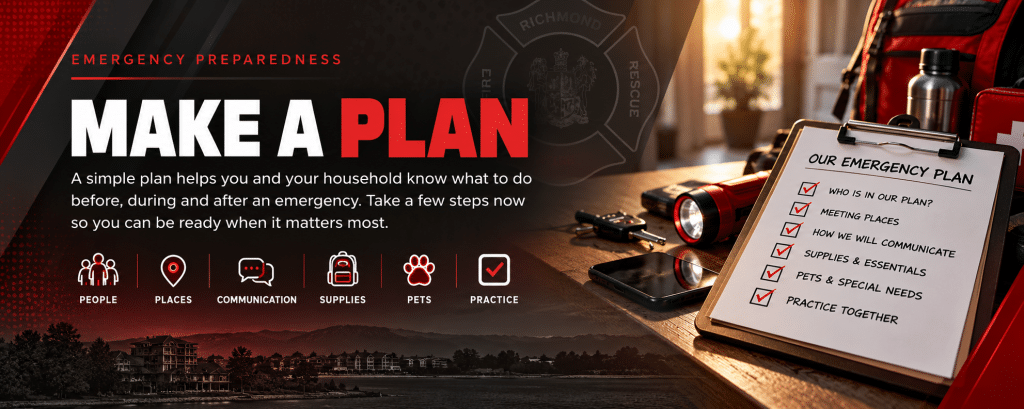
A Good Emergency Plan Starts With a Few Simple Decisions.
An emergency can separate family members, interrupt communications and change everyday routines without warning. A household emergency plan helps everyone know where to go, who to contact and what to do before, during and after an emergency.
Build your plan together, write it down and make sure everyone in your household knows how it works.
Build Your Plan in Six Steps
Choose Meeting Places
Decide where your household will meet if you cannot stay at home or immediately find one another.
Plan How to Reconnect
Choose an out-of-area contact and make sure everyone knows how to reach them if local networks are disrupted.
Protect Important Information
Keep important contacts, identification, household information and essential records available when needed.
Know What to Do
Make sure everyone understands how to respond safely during earthquakes, fires and other emergencies.
Plan for What Comes After
Think about utilities, damaged buildings, sanitation, clean water and other issues that may follow a disaster.
Plan for Everyone
Include children, older adults, people with disabilities, medications, mobility needs and household pets.
Choose Meeting Places
There is a good chance that household members may be in different places when an emergency happens. Deciding where you will meet before an emergency occurs removes one important decision from an already stressful situation.
Choose two easy-to-identify locations and make sure everyone in your household knows where they are.
Write down both meeting locations, discuss how each person would get there and review the plan together. A meeting place only works if everyone knows about it before it is needed.

Plan How to Reconnect
During a major emergency, local telephone and mobile networks may become overloaded or temporarily unavailable. Having a communication plan gives household members another way to check in and share information if you become separated.
Choose a trusted out-of-area contact who lives far enough away that they are unlikely to be affected by the same emergency. That person can become a central point of contact for everyone in your household.
During the immediate emergency, avoid unnecessary calls. Use 9-1-1 for life-threatening emergencies and check in with your out-of-area contact once it is safe to do so.
Protect Important Information
During an everyday emergency or a larger disaster, you may suddenly need information that is normally scattered across phones, wallets, filing cabinets and online accounts.
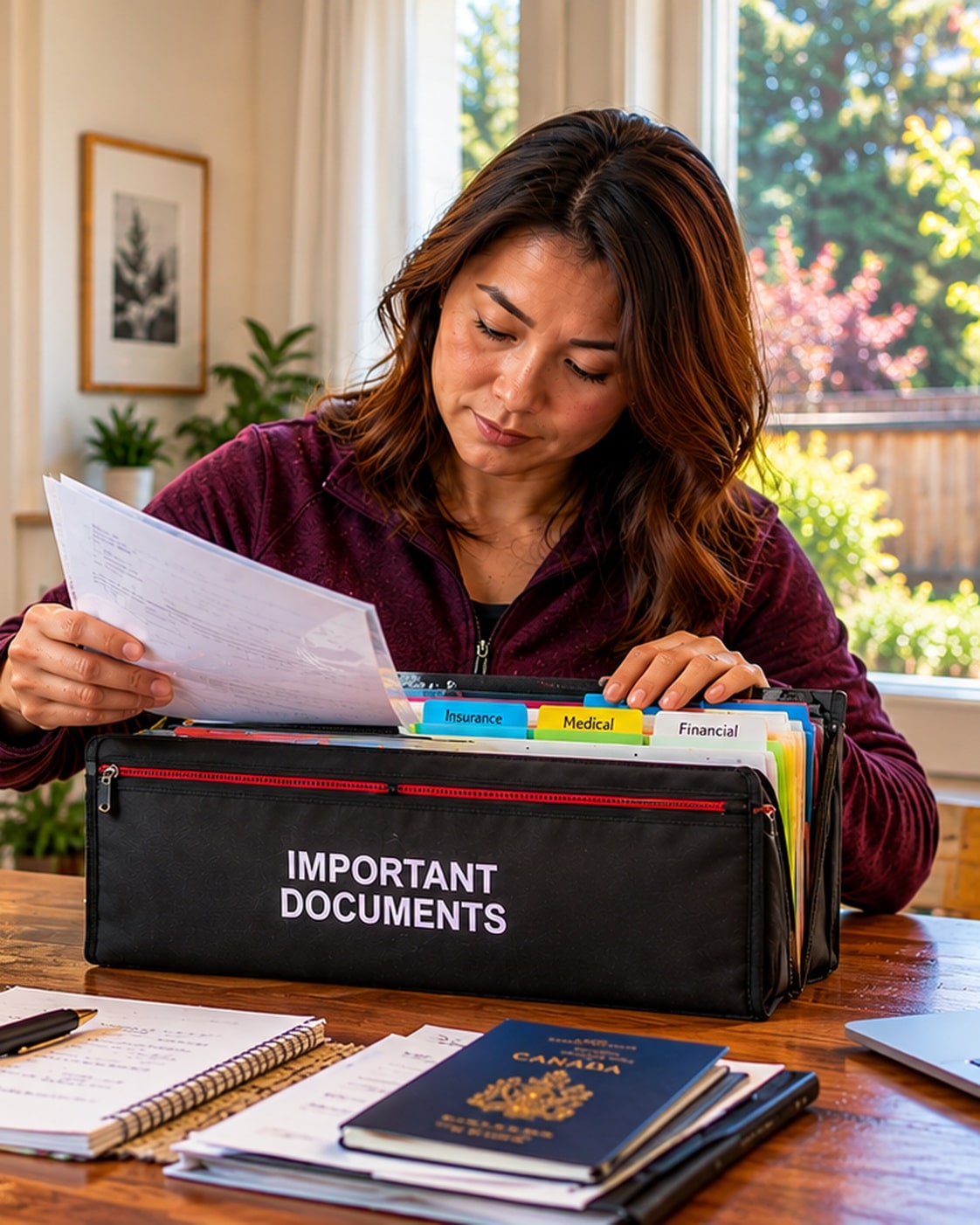
Gather the information your household may need and keep secure copies in more than one location. Consider both a protected physical copy and a secure digital copy that can still be accessed if you cannot return home.
Emergency information may contain sensitive personal details. Store it securely, keep backup copies in separate locations and make sure the appropriate people in your household know how to access it when needed.
Know What to Do
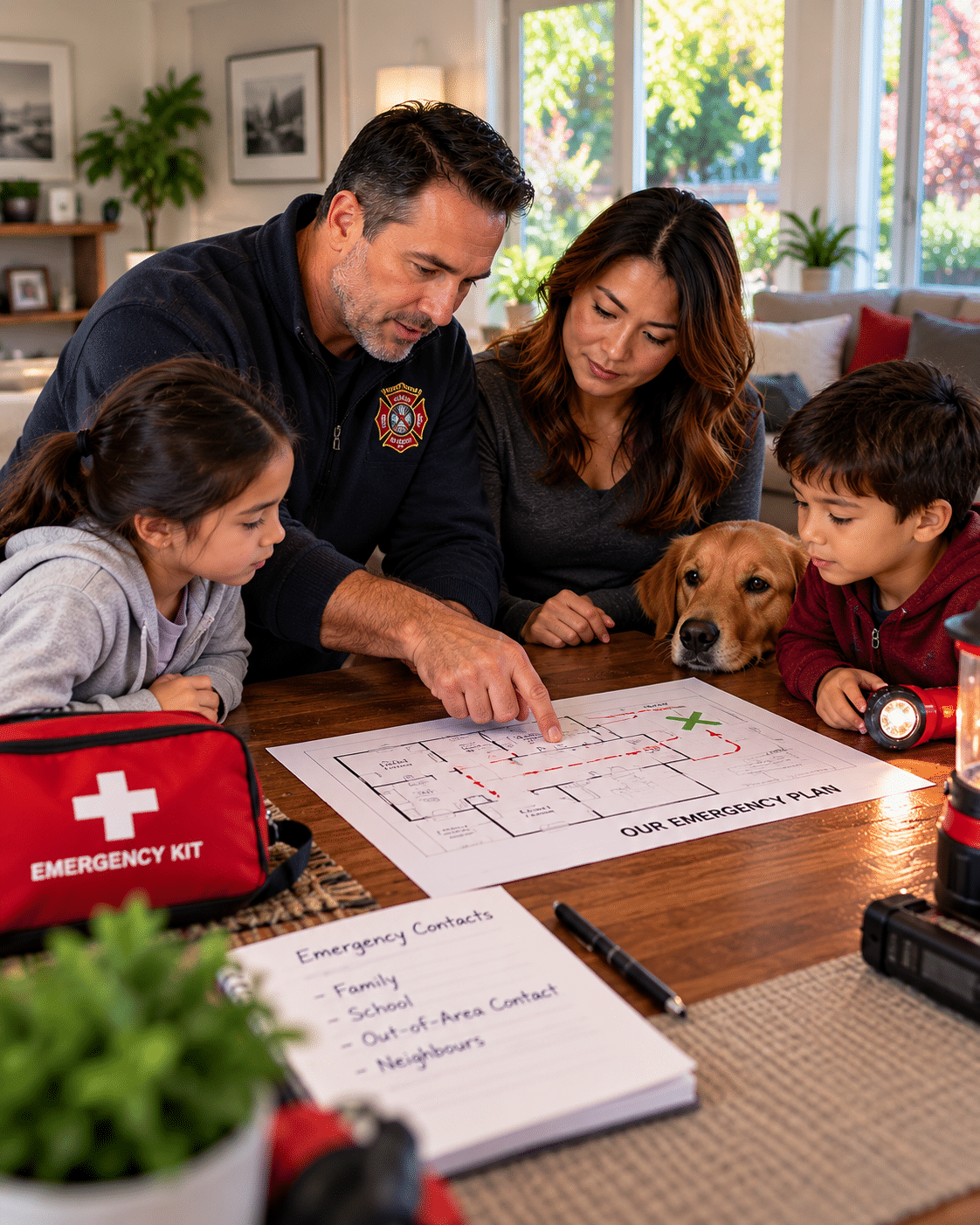
A good emergency plan is more than a list of names and phone numbers. Everyone in your household should also understand what actions to take when an emergency actually happens.
Talk through the hazards that could affect your home, school or workplace and make sure household members know how to respond safely when conditions change quickly.
Review your household emergency plan at least once a year and practise earthquake and fire drills at home. Emergency Preparedness Week and the annual ShakeOut drill are useful reminders to review and practise your plan.
Plan for What Comes After
The emergency itself may last only minutes, but the effects can continue for hours or days. Severe weather, earthquakes and other disasters can damage buildings, interrupt utilities and affect access to clean water and essential services.
Your household plan should consider what you may need to do after the immediate danger has passed and how you will safely manage until normal services return.
Stay away from downed electrical lines and damaged areas. If you suspect a gas leak or another immediate hazard, leave the area if it is safe to do so and contact emergency services or the appropriate utility from a safe location.

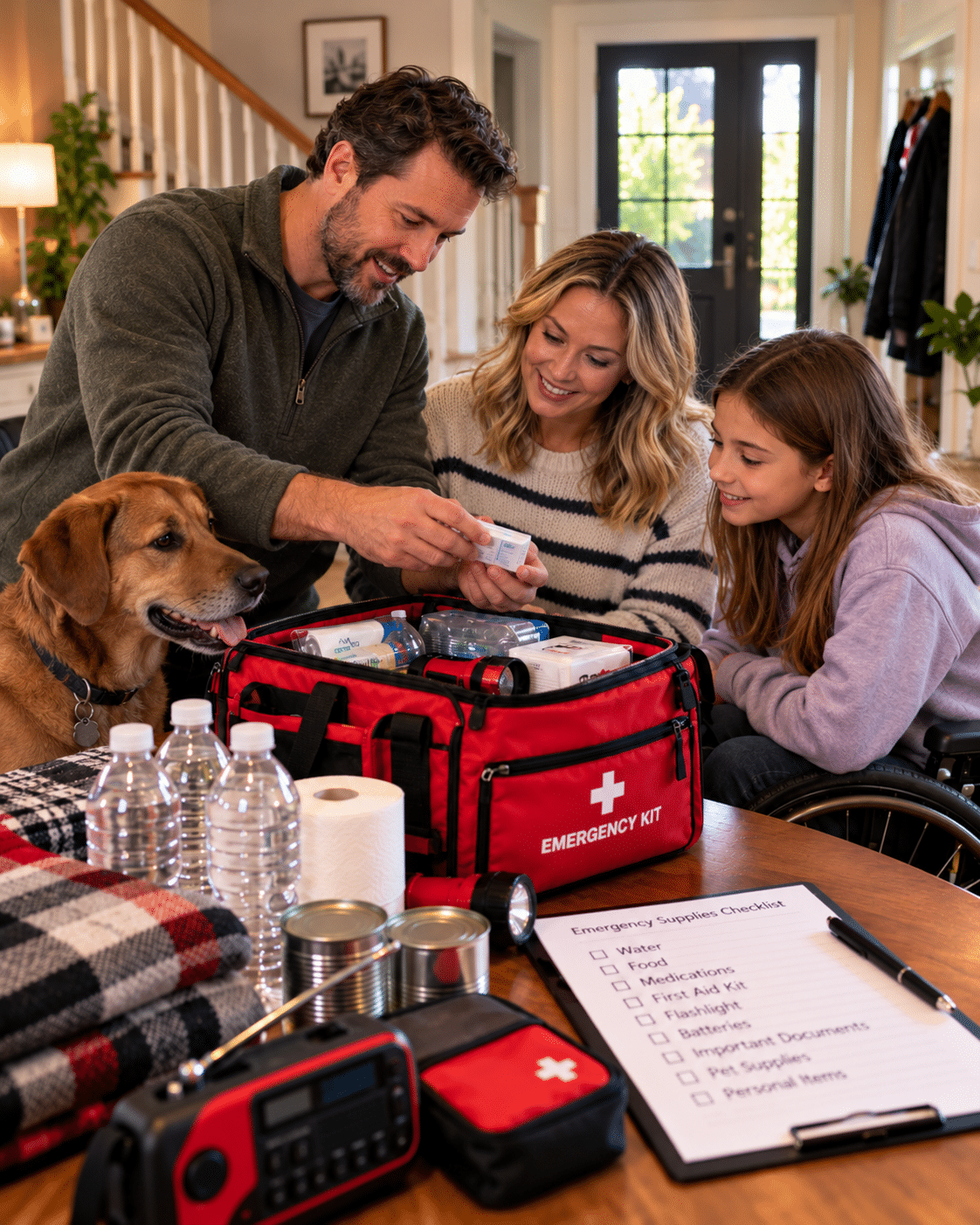
Plan for Everyone
Emergency plans are not one-size-fits-all. Every person has different abilities, responsibilities and supports, and those differences should be considered before an emergency happens.
Think about who may need additional help, what equipment or medications must remain available, who could provide support and how pets or other household needs will be managed.
Consider what each person can do independently, where help may be required and what would become difficult if power, transportation, communication or normal services were unavailable.